


Industry Insight
Understanding OPGW: The Backbone of Modern Transmission Networks
Updated 12 October 2026
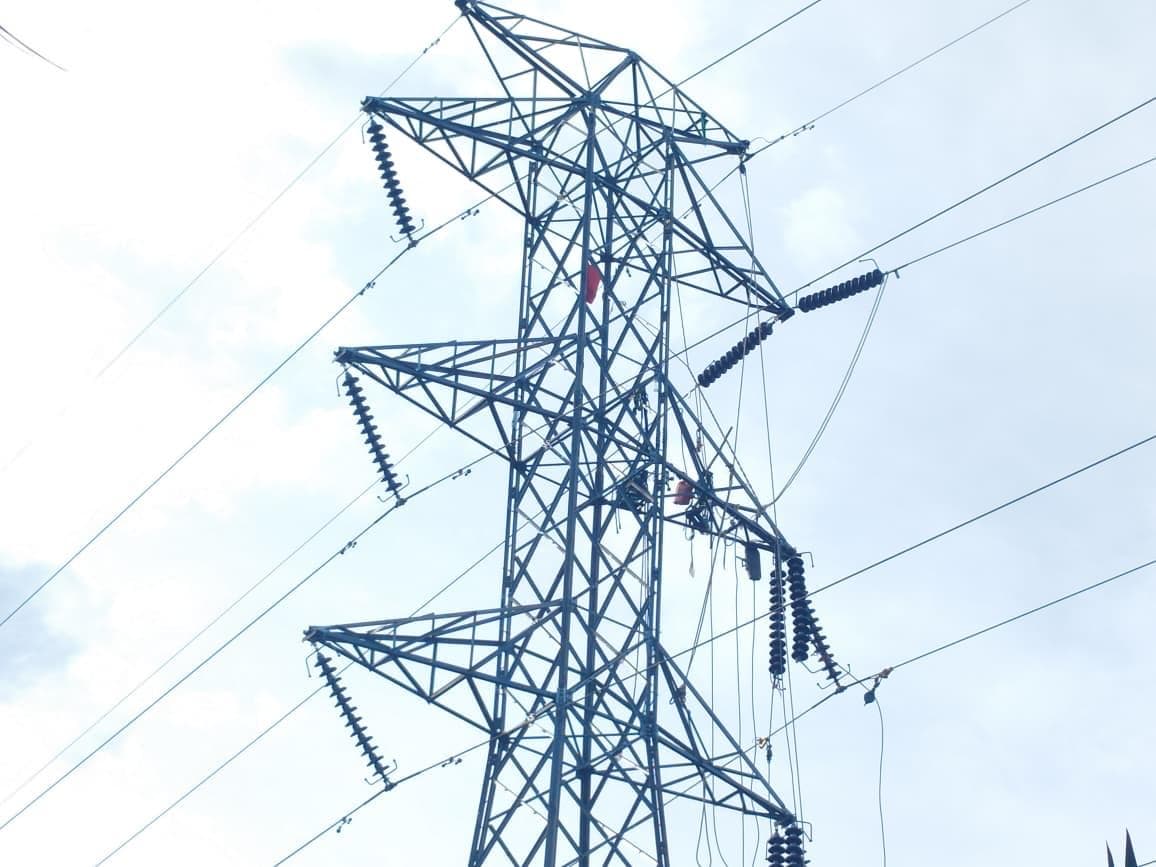
Modern transmission lines do more than carry electricity. Many also carry data, thanks to a component called Optical Ground Wire, or OPGW. Installed at the top of transmission towers, OPGW plays a dual role that makes it an essential part of today's power networks.
What Is OPGW?
OPGW is a cable that combines two functions in one:
- Ground wire, which shields the conductors below from lightning strikes and safely carries fault current to the ground
- Fiber-optic cable, which runs inside the wire to provide a high-speed communication path along the transmission route
Why It Matters
Utilities rely on fast and reliable communication to monitor and control their networks. OPGW allows protection signals, monitoring data, and operational communication to travel along the same corridor as the power line, without the need for a separate communication route.
Key Considerations During Installation
Installing OPGW requires careful planning and skilled execution, including:
- Selecting the right cable design for the line's electrical and mechanical requirements
- Proper stringing techniques to avoid damaging the optical fibers
- Accurate splicing and testing to ensure signal quality
- Strict safety procedures when working at height and near energized lines
Building Reliable Infrastructure
Through its Engineering, Procurement & Construction (EPC) services, Iradat supports transmission projects from engineering and procurement to construction, stringing, and commissioning across Indonesia.
Planning a transmission or substation project? Let's discuss how we can support you.