

Technology
How Drones Are Transforming Transmission Line Inspection
Updated 13 October 2026
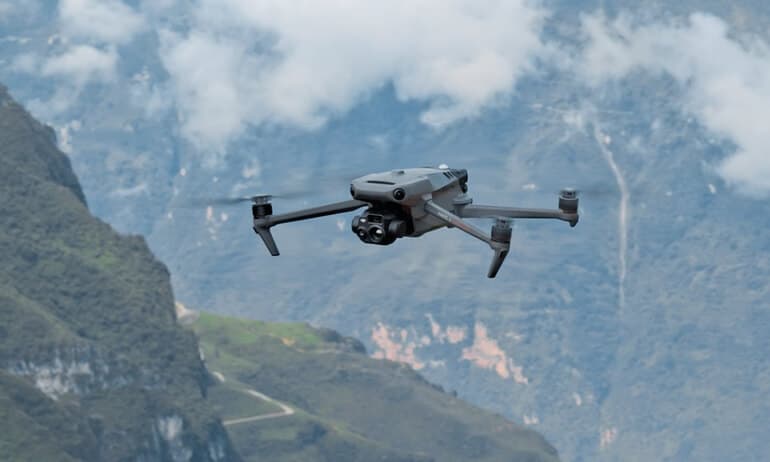
Inspecting transmission lines has traditionally meant sending crews up towers or patrolling long corridors on foot, often across difficult terrain. Today, enterprise drones are changing how utilities and contractors monitor their assets, making inspections faster, safer, and more data-driven.
Why Traditional Inspection Is Challenging
Transmission networks stretch across mountains, forests, and rice fields. Manual inspection takes time, exposes workers to heights and live equipment, and can miss defects that are hard to see from the ground.
What Drones Bring to the Field
Equipped with high-resolution, thermal, and LiDAR payloads, drones can capture detailed data from angles that are difficult to reach by hand:
- Visual inspection of insulators, conductors, and tower structures
- Thermal imaging to detect hotspots before they become failures
- LiDAR mapping to measure vegetation clearance and terrain along the corridor
- Faster coverage of long line sections with less downtime
Safer Work, Better Decisions
By reducing the need for climbing and manual patrols, drones help lower field risks. The data they collect can be stored and compared over time, helping maintenance teams plan repairs before problems escalate.
Supporting Indonesia's Grid
As an official partner of DJI Enterprise, Iradat provides drone solutions for inspection, mapping, and asset monitoring to support utilities and industrial clients across Indonesia.
Interested in applying drone technology to your inspection program? Contact our team for a consultation.